

















The traditional insurance claims department, once a bustling hub of human activity, now operates with the hyper-intelligent ecosystem. Gone are the stacks of paper, endless phone calls, and tedious data entry. Welcome to a future where Generative AI and Agentic AI don't just assist; they orchestrate.

8:00 AM: Proactive Incident Detection & First Notification of Loss (FNOL)
The day begins before any human even logs in. A severe hailstorm strikes a suburban area of London.
An Agentic AI, "StormWatch," detected the severe weather pattern forming hours ago. As the storm hit, real-time satellite imagery and IoT sensors from smart homes in affected postcodes instantly flagged potential property damage.
Before a Mrs Davison even notices the dent in their car, their personal Agentic AI, “Aura”, sends a proactive message: "Severe hail detected in your area. Our systems indicate potential damage to your vehicle. We've pre-filled a preliminary claim form for your review. Just one click to submit”
Mrs. Davison, surprised but grateful, confirms the damage via a simple voice command to her smart device. The claim is logged, categorised (Hail Damage - Auto), and assigned to a virtual claims manager, "Apollo” (a highly specialized Agentic AI) within seconds.
8:15 AM: Intelligent Triage & Damage Assessment
Apollo immediately swings into action.
Aura prompts Mrs. Davison to use her phone's camera to scan her car. The embedded GenAI vision model instantly assesses hail damage, distinguishing between minor dents and more severe structural issues. It cross-references with policy terms, previous repair records, and even local weather patterns for fraud detection.
Apollo generates a preliminary repair estimate. It identifies approved local repair shops with immediate availability and even schedules an appointment.
A central GenAI orchestrator analyses sentiment from all customer interactions. A claim from Mr. Anderson whose roof was significantly damaged is flagged for immediate human review due to expressed distress and the severity of potential structural issues.
9:00 AM: Human-Augmented Review & Complex Case Management
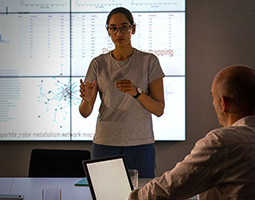
While the virtual manager handles routine claims autonomously, the human Claims Strategist, Sarah, begins her day by reviewing a prioritised dashboard curated by the central GenAI orchestrator.
The AI highlights the complex roof damage claim, having already synthesized all available data (IoT sensor readings, satellite imagery, customer notes), identified potential risks, and suggested mitigation steps.
Sarah uses a GenAI interface to craft a personalised, empathetic message to Mr. Peterson and even translates it into his preferred language (Welsh, in this case), and initiates a virtual consultation with a structural engineer Agentic AI “Archimedes”, who instantly reviews damage photos and building data.
11:00 AM: Fraud Detection & Subrogation
An Agentic AI, "Vigilance," continually monitors all open claims for anomalies.
Vigilance flags a cluster of "new" claims from a specific postcode that exhibit unusually high repair costs for minor damage, all using the same repair shop, "QuickFix Garages."
It cross-references these claims with social media data (public posts about recent car modifications), public records, and even historical claims data from QuickFix Garages.
GenAI summarises its findings for Sarah: "High probability of organised fraud linked to QuickFix Garages. Discrepancy between reported damage and estimated repair costs" Sarah now has actionable intelligence to investigate, supported by irrefutable data.
1:00 PM: Accelerated Settlement & Customer Experience
Mrs. Davison's car claim is progressing smoothly.
For the routine car claim, the virtual manager had already authorised the repair. Once the repair is complete and verified by the garage's smart sensors, payment is automatically initiated. The entire process, from incident to resolution, has taken less than 24 hours.
3:00 PM: Strategic Insight & Product Development
The day isn't just about processing claims; it's about learning and evolving.
Agentic AI "Sentinel," transform claims data from a historical record into a strategic asset. Sentinel can identify emerging risk trends, such as an increase in "black ice" claims, and recommend proactive adjustments to underwriting and risk management. It also drives product innovation by spotting patterns of underinsured losses and suggesting new product offerings, like a "Smart Home Upgrade" rider.
Furthermore, a central GenAI ensures continuous regulatory compliance by automatically updating workflows and policy wording to align with global changes, flagging any gaps for human oversight.
End of Day: The Human Touch, Amplified
Instead of manually processing routine claims, Sarah's role is elevated to one of strategic oversight, using AI to manage complex situations, detect sophisticated fraud, and gain critical insights that will shape the future of the business.
This isn't a futuristic fantasy. This is the new reality. The question is no longer "what can AI do?" but rather, "what will we do with this new power?" The future of insurance isn't about replacing people with technology; it's about using technology to unleash our full human potential.
We believe this is not a matter of 'if', but 'when'. When do you think it will be possible to live and work in this world? At Cognizant, we don’t just understand this future; we are actively building it.
Our expertise in both general insurance and cutting-edge GenAI technologies allows us to be more than a vendor—we are a partner in your transformation. Contact us today to find out more.