

May 19, 2026
Inside the AI Lab-May 2026

Latest AI Research & Innovations – AI Lab Updates (May 2026)
Explore the latest AI research, including advancements in agentic AI, LLM fine-tuning, and real-world enterprise applications.
Over the past few months, Cognizant AI Lab has continued advancing our AI Builder vision through pioneering research and real-world innovation. In this issue of Inside the AI Lab, we share highlights from our latest work in efficient LLM fine-tuning, deep reasoning, agentic AI, and adaptive AI systems, along with impactful applications in areas such as healthcare and sustainability. We also feature recent progress in neuro-san integrations, AI for Good initiatives, and recognitions through patents and awards.
As organizations increasingly seek scalable, domain-specific, and responsible AI solutions, our research continues to bridge cutting-edge innovation with practical impact. Together, these efforts reflect our commitment to shaping the future of AI and transforming advanced research into meaningful real-world outcomes.
We invite you to explore, share, and stay connected as we continue building the next generation of AI innovation. Join our community for the latest insights into AI research, innovation, and applications by subscribing to our newsletter.
Regards,
Risto Miikkulainen
VP of AI Research, Cognizant AI Lab
Professor of Computer Science, The University of Texas at Austin
Latest AI Research from Cognizant AI Lab
TerraLingua: Emergence and Analysis of Open-Endedness in LLM Ecologies
Authors: Paolo, G.; Warner, J.; Shahrzad, H.; Hodjat, B.; Miikkulainen, R.; Meyerson, E.
As AI agents become more autonomous and begin interacting within shared environments, experiments like TerraLingua reveal how complex, society-like behaviors can emerge. Agents don’t simply perform tasks but rather share knowledge, adapt to resource constraints, and respond strategically to one another. This leads to patterns like cooperation through shared navigation, competition for limited resources, and even deceptive tactics to gain an advantage.
Over time, these interactions create a form of collective memory and coordination, hinting at the early foundations of “agentic societies.” For organizations, this presents a powerful opportunity to simulate entire ecosystems, such as supply chains, logistics networks, or digital marketplaces, using interacting AI agents. By doing so, they can test coordination strategies and governance models in a controlled environment before applying them in the real world.
What Evolution Strategies for LLM Fine-Tuning Unlocked: Four New Research Directions
1. Evolution Strategies at Scale: LLM Fine-Tuning Beyond Reinforcement Learning
Authors: Qiu, X., Gan, Y., Hayes, C. F., Liang, Q., Xu, Y., Dailey, R., Meyerson, E., Hodjat, B., and Miikkulainen, R. (2026).
Building on prior work showing ES can scale to billion-parameter models, this research evaluates its performance on complex reasoning tasks, including math benchmarks, ARC-AGI, and Sudoku.
Across experiments, ES demonstrates strong reliability, with stable performance across runs and fixed hyperparameters, unlike RL, which can be sensitive to tuning. These findings position gradient-free ES as a practical, scalable alternative for fine-tuning large models across diverse reasoning tasks, with a simpler and more robust setup.
2. Fine-Tuning Language Models to Know What They Know
Authors: Park, S., Meyerson, E., Qiu, X., and Miikkulainen, R. (2026).
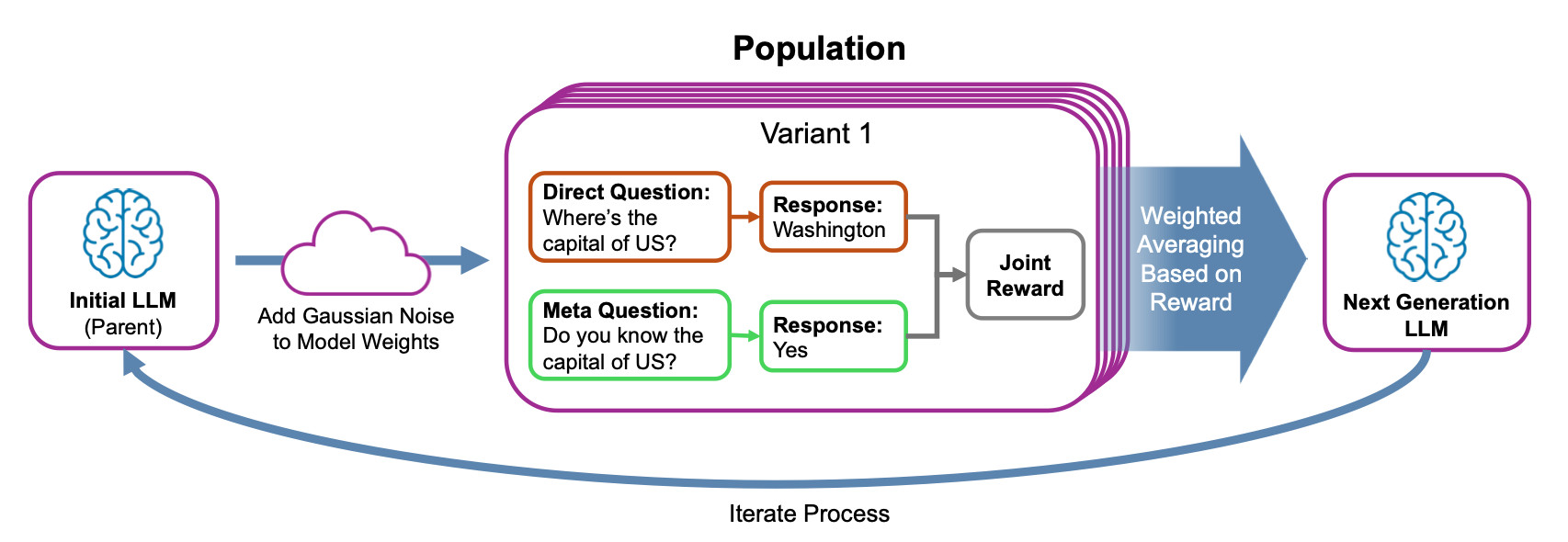
Large language models encode extensive knowledge, yet they often lack reliable awareness of the limits of that knowledge. Evolution Strategies for Metacognitive Alignment (ESMA) was designed to improve alignment between model outputs and their underlying confidence. By enhancing this metacognitive capability, ESMA enables models to better distinguish informed responses from uncertain ones. This line of research aims to reduce hallucinations, improve calibration, and increase the reliability of AI systems, particularly in high-stakes domains such as enterprise decision-making and scientific research.
3. Quantized Evolution Strategies: High-Precision Fine-Tuning of Quantized LLMs at Low-Precision Cost
Authors: Xu, Y., Miikkulainen, R., and Qiu, X. (2026).
Quantized Evolution Strategies (QES) enables practical fine-tuning directly in quantized (INT4/INT8) models without backpropagation. Using a zeroth-order optimization approach, it adapts models at nearly the same memory cost as inference.
With techniques like error feedback and stateless seed replay, QES maintains learning signals and improves reasoning performance—making post-deployment customization efficient and accessible without heavy infrastructure.
4. The Blessing of Dimensionality in LLM Fine-Tuning: A Variance-Curvature Perspective
Authors: Liang, Q., Song, J., Liu, Y., Gore, J., Fiete, I., Miikkulainen, R., and Qiu, X. (2026).
As enterprises scale large language models, the assumption that bigger systems are harder to optimize is being challenged. In our latest research, we show that fine-tuning is governed not by the full parameter space, but by a small set of high-impact directions. This structural perspective enables simpler, more efficient optimization approaches, while also explaining common training dynamics like rise–then–decay.
Caesar: Deep Agentic Web Exploration for Creative Answer Synthesis
Authors: Liang J.; Meyerson E.; Miikkulainen R.
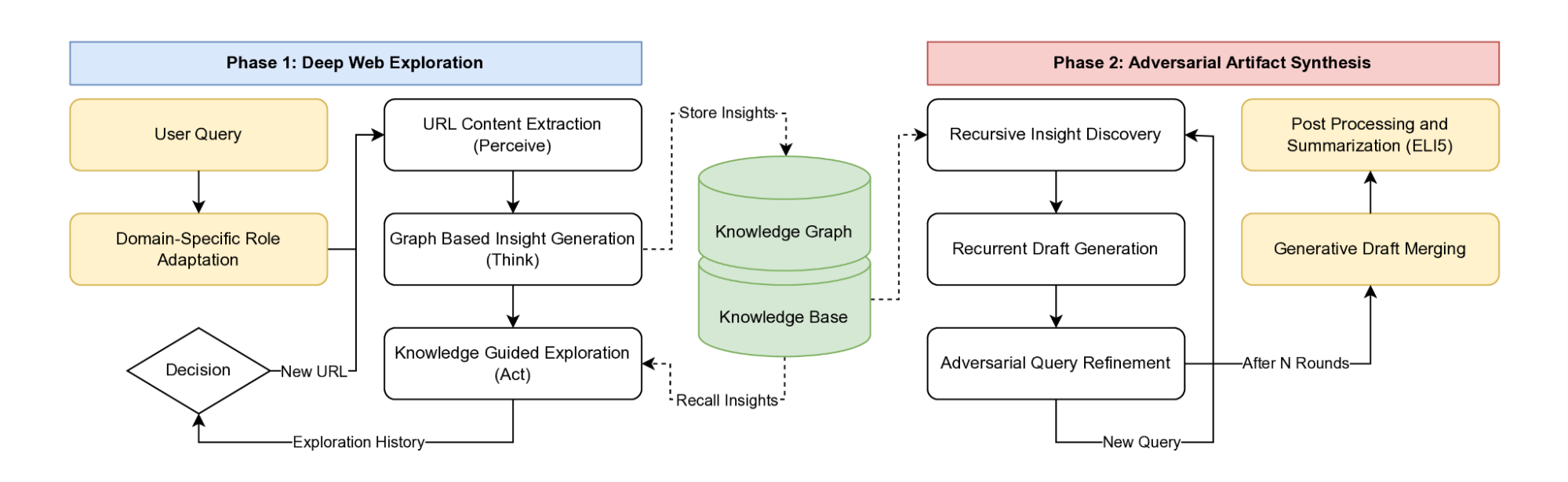
Most AI systems today are optimized for retrieval, where they search, summarize, and recombine existing information. But they rarely discover something new, resulting in a shallow process with generic, non-creative ideas. CAESAR, an agentic AI framework, was designed to move beyond retrieval toward discovery, building a dynamic knowledge graph as it explores, connecting concepts across sources and refining its outputs through iterative self-critique. This enables deeper exploration and more original, cross-domain insights, which are essential in research and innovation spaces.
Optimizing Chlorination in Water Distribution Systems via Surrogate-Assisted Neuroevolution
Authors: Monsia R.; Young D.; Francon O.; Miikkulainen R.
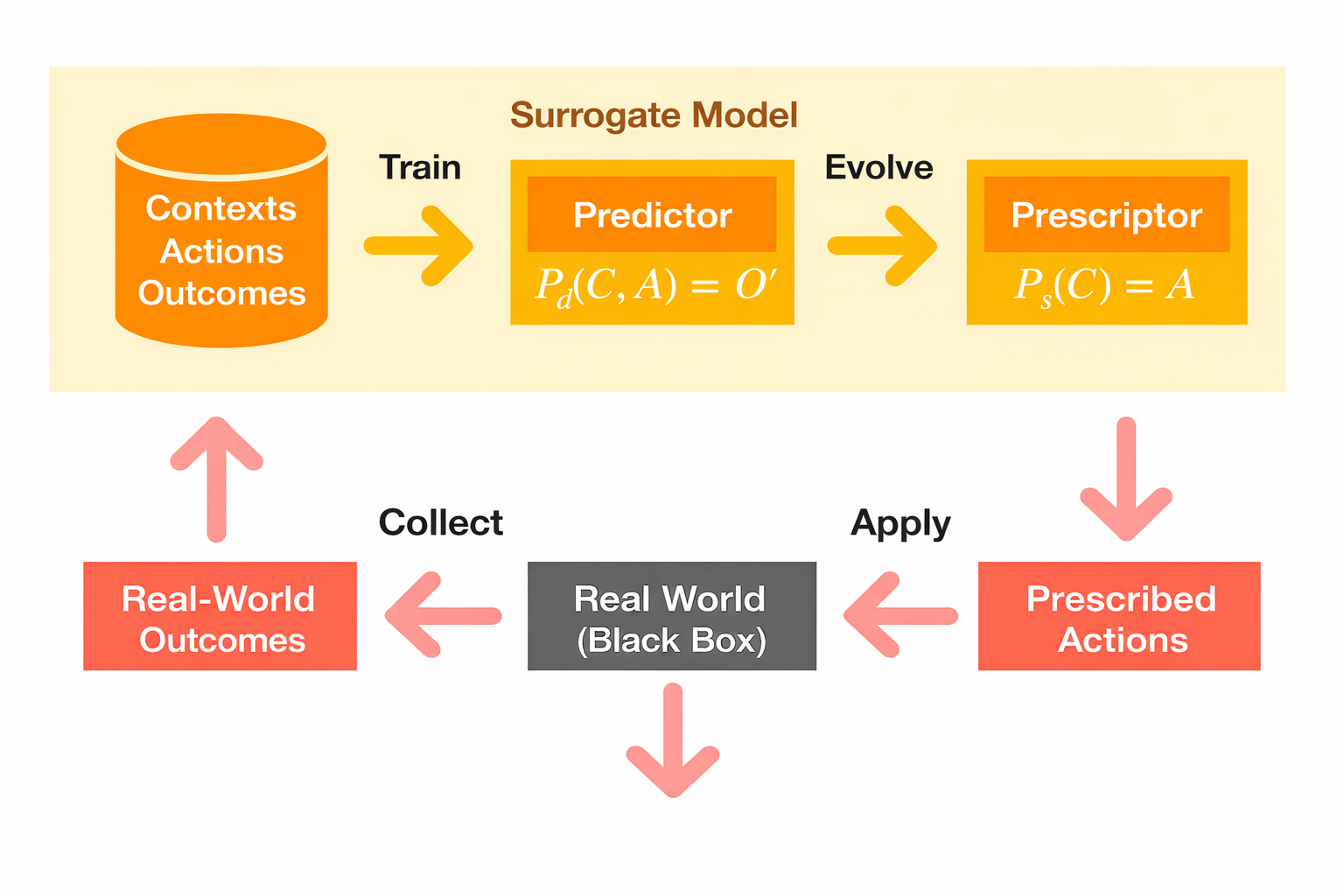
Optimizing Chlorination in Water Distribution Systems via Surrogate-assisted Neuroevolution explores how evolutionary AI can optimize chlorination in complex water distribution networks, addressing the nonlinear dynamics, delayed effects, and competing objectives that make these systems so challenging to manage. By combining surrogate modeling with evolutionary optimization, the approach enables more efficient learning while balancing critical factors such as safe chlorine levels, cost, and operational stability.
Evolution With Purpose: Hierarchy-Informed Optimization of Whole-Brain Models
Authors: Shahrzad H.; Gajawelli N.; Maile K.; Saggar M.; Miikkulainen R.
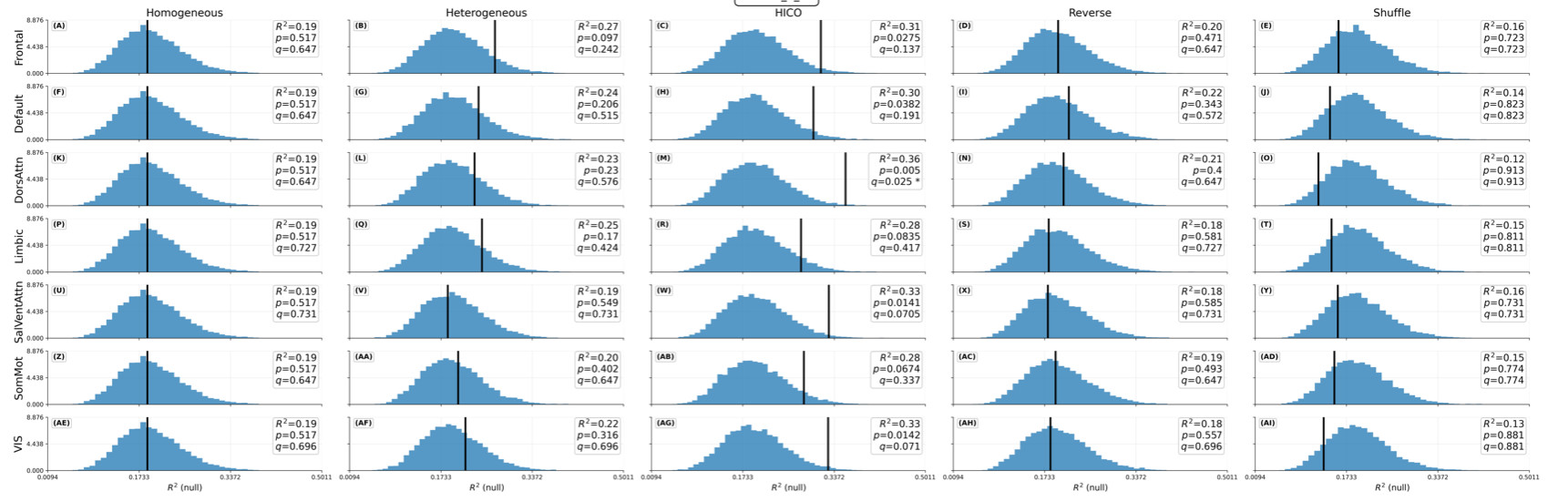
What if brain models could predict patient outcomes and not just fit past data?
Our GECCO 2026-nominated paper introduces Hierarchy-Informed Curriculum Optimization (HICO), a method that leverages the brain’s natural hierarchy to optimize parameters in stages instead of all at once. The result: more stable, generalizable models that move beyond fitting data toward real-world prediction, enabling earlier detection from fMRI and more personalized treatment decisions.
Structure isn’t a constraint: it’s leverage.
AI Patents and Awards
Global AI Awards
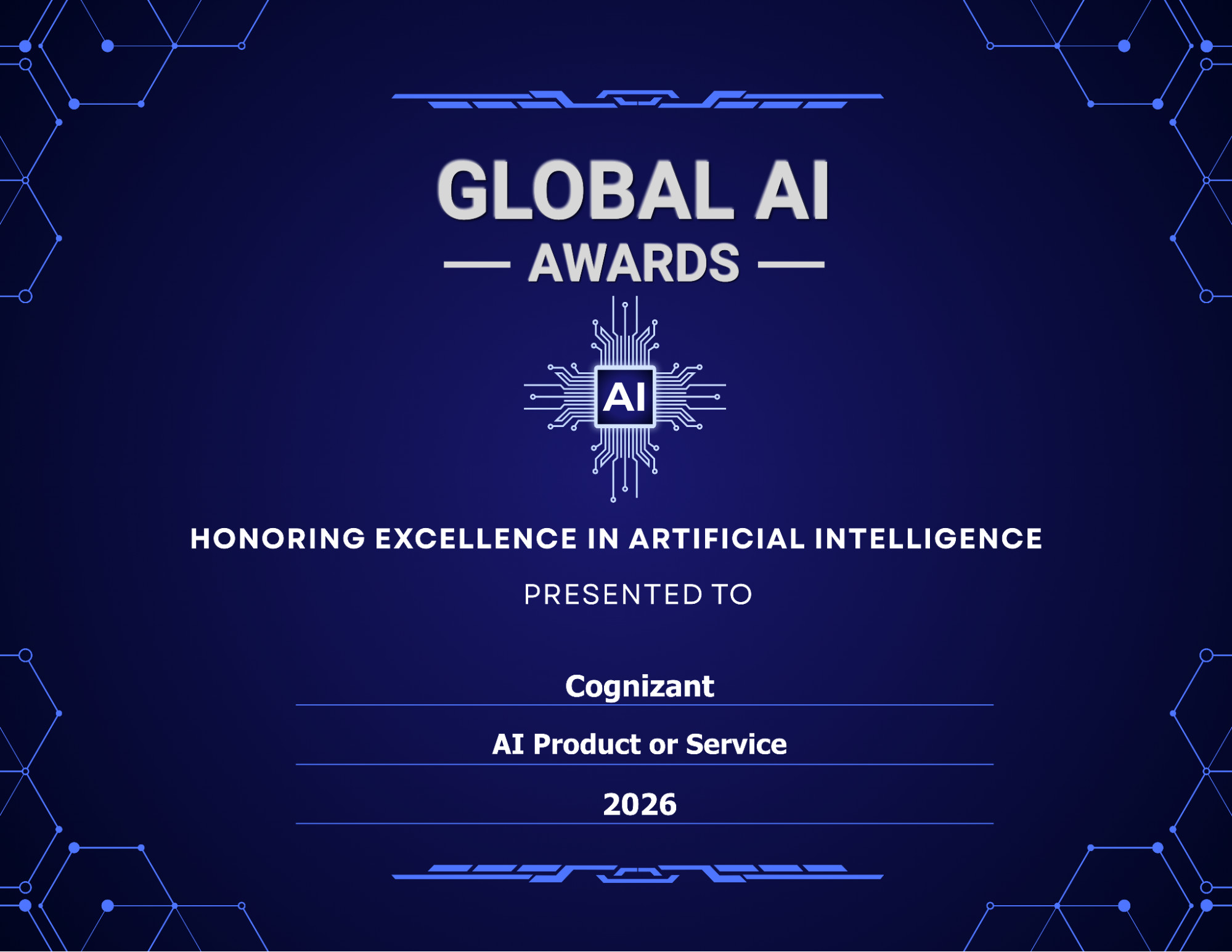
We are proud to have won the Global AI Award in the Product/Service category for Cognizant’s Neuro® AI Multi-Agent Accelerator. Our platform was recognized for its innovative multi-agent design, real-world impact, and ability to make enterprise AI scalable, responsible, and easy to use. This achievement highlights our commitment to transforming how organizations build and deploy AI at scale.
Cognizant AI Lab Earns Three New U.S. Patents, Totaling 65 U.S. Patents
.jpg)
- U.S. Patent No. 12,572,810 (issued March 10, 2026): Improves decision-recommendation systems, or "prescriptors," by evolving human-designed strategies into stronger, higher-performing policies as conditions change
- U.S. Patent No. 12,566,942 (issued March 3, 2026): Automatically creates and tunes activation functions—core "on/off" switches inside neural networks – so models can perform better for a given task and architecture, reducing manual trial-and-error
- U.S. Patent No. 12,561,223 (issued February 24, 2026): Enhances distributed machine learning by enabling systems to share and combine learned knowledge through standardized metadata, improving coordination and reuse across teams.
New Model Context Protocol (MCP) Integration for neuro-san
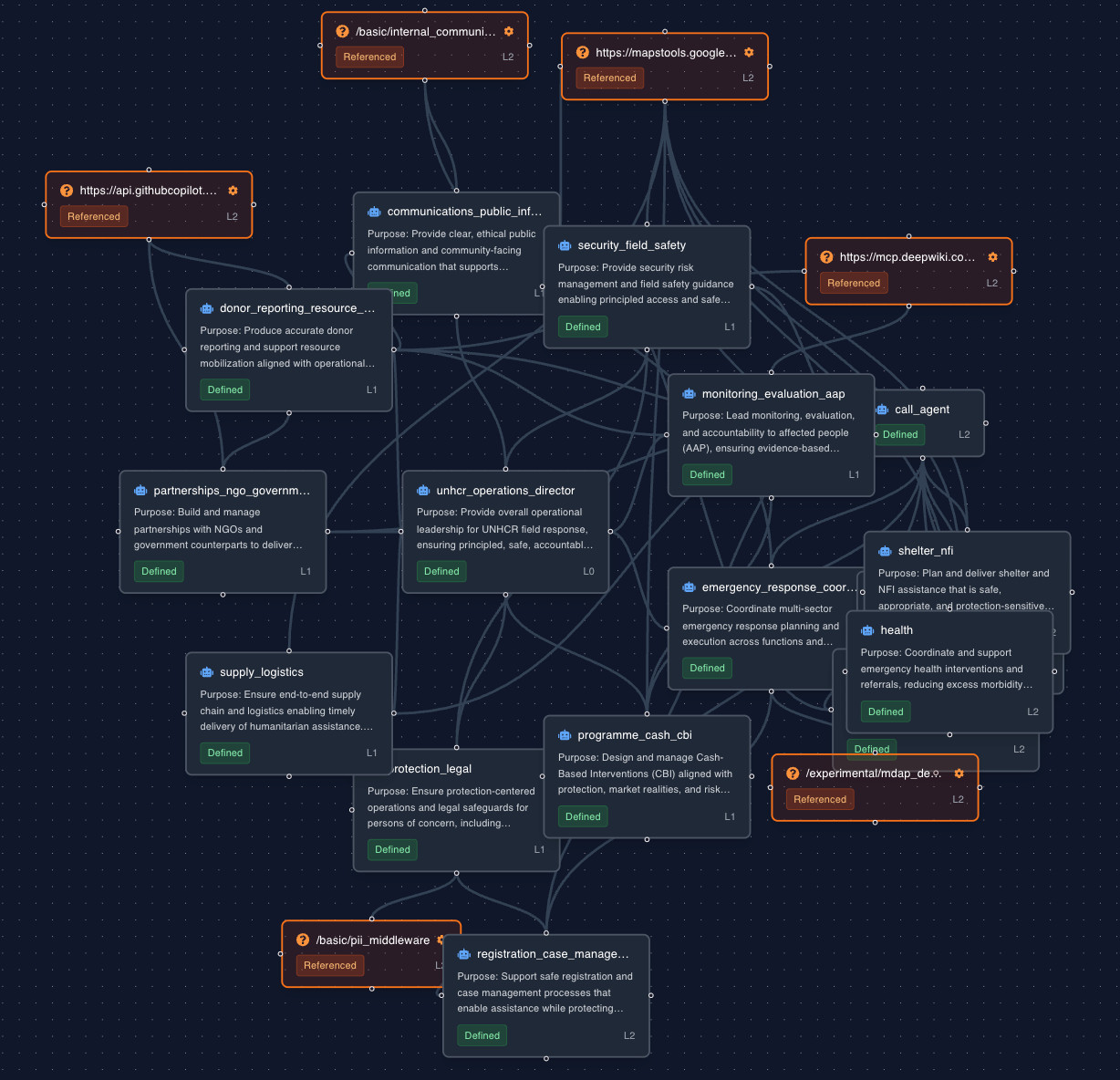
Neuro AI Multi-Agent Accelerator (neuro-san) now supports MCP, enabling seamless integration across tools, data, and systems. As enterprises scale AI, integration complexity becomes a key challenge. MCP removes the need for custom integrations by allowing agents to easily connect with platforms like GitHub, DeepWiki, and Google Maps. This means less time on integration and more focus on building scalable, enterprise-ready AI solutions.
Learn more about MCP integration for AI agents here.
Real-World AI Applications (AI For Good)
Every year, thousands of whales are killed by ship strikes, making vessel collisions one of the leading causes of death for large whale species. And although shipping routes overlap with 92% of whale habitats, less than 7% of high-risk areas are currently protected.
With global shipping expected to triple by 2050, the urgency of addressing this issue is increasing rapidly.
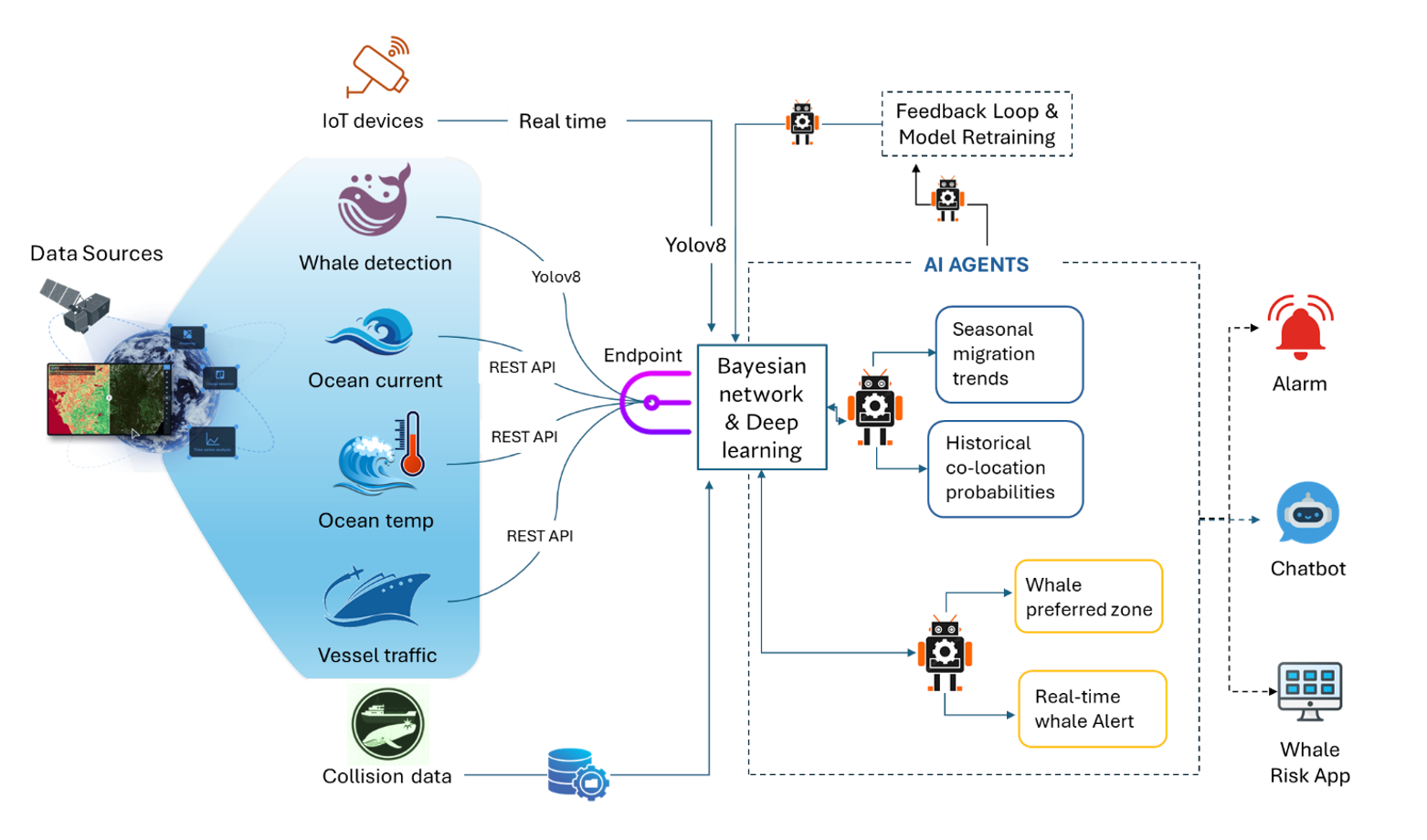
Projects like WhaleAgent are exploring how AI can combine ocean, satellite, and vessel data to predict high-risk zones in real time, helping reduce collisions before they happen. By turning complex data into actionable insights, we can support both marine conservation and safer maritime operations.
Learn more about WhaleAgent here.
Join us on GitHub.
New Series - Agentic AI 101
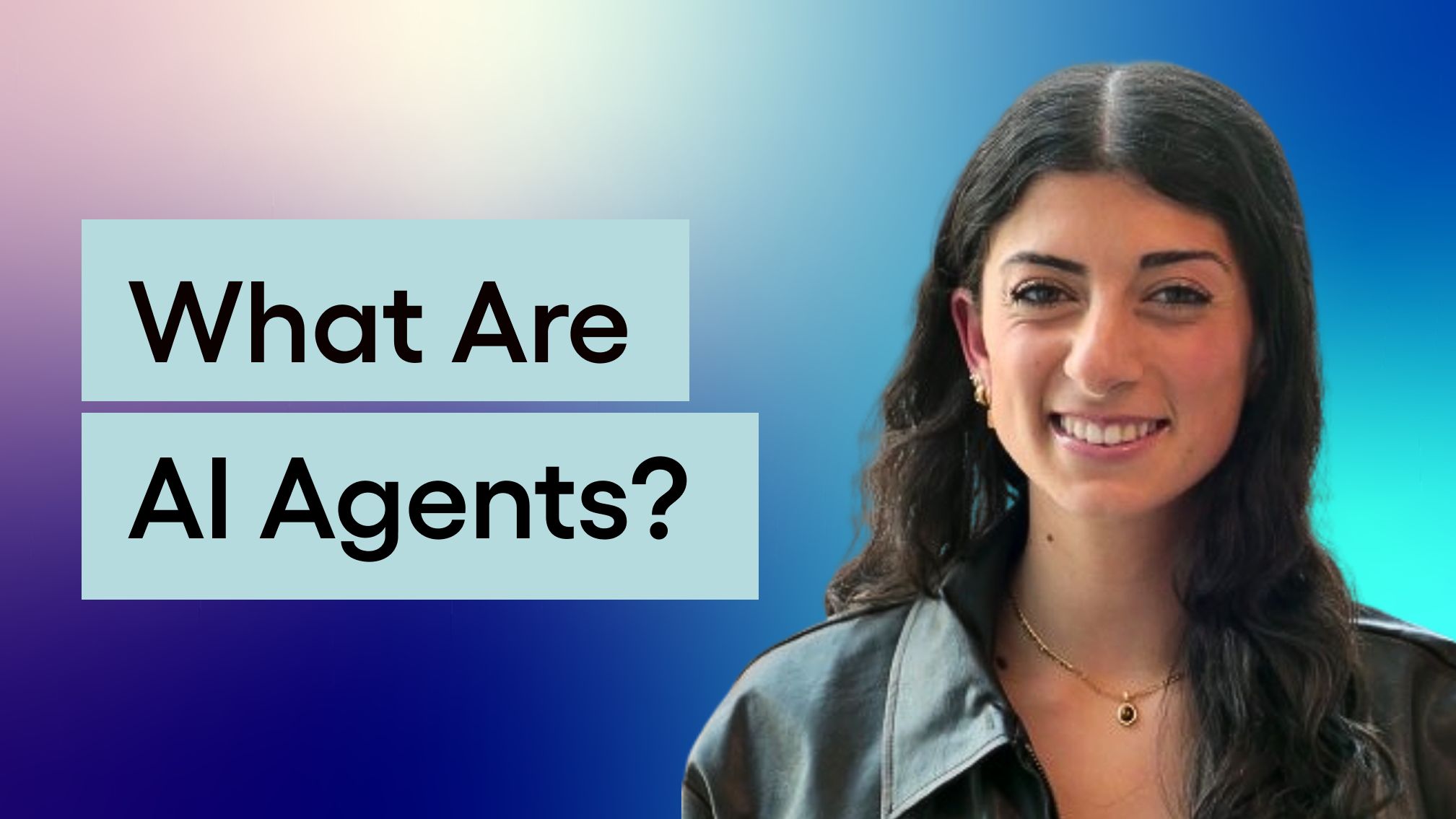
Agentic systems are being rapidly implemented across industries, yet there is still a lack of clarity around what an agent actually is in practice.
Our new series, Agentic AI 101, breaks down the core building blocks of agentic systems in a clear and practical way. Each piece focuses on a key concept, from architecture and tool integration to memory and multi-agent coordination. Our first piece starts with the fundamentals: what exactly is an AI agent?
Watch the full video.
Read the blog.
Thought Leadership and Event Updates
AI Everything Middle East and Africa
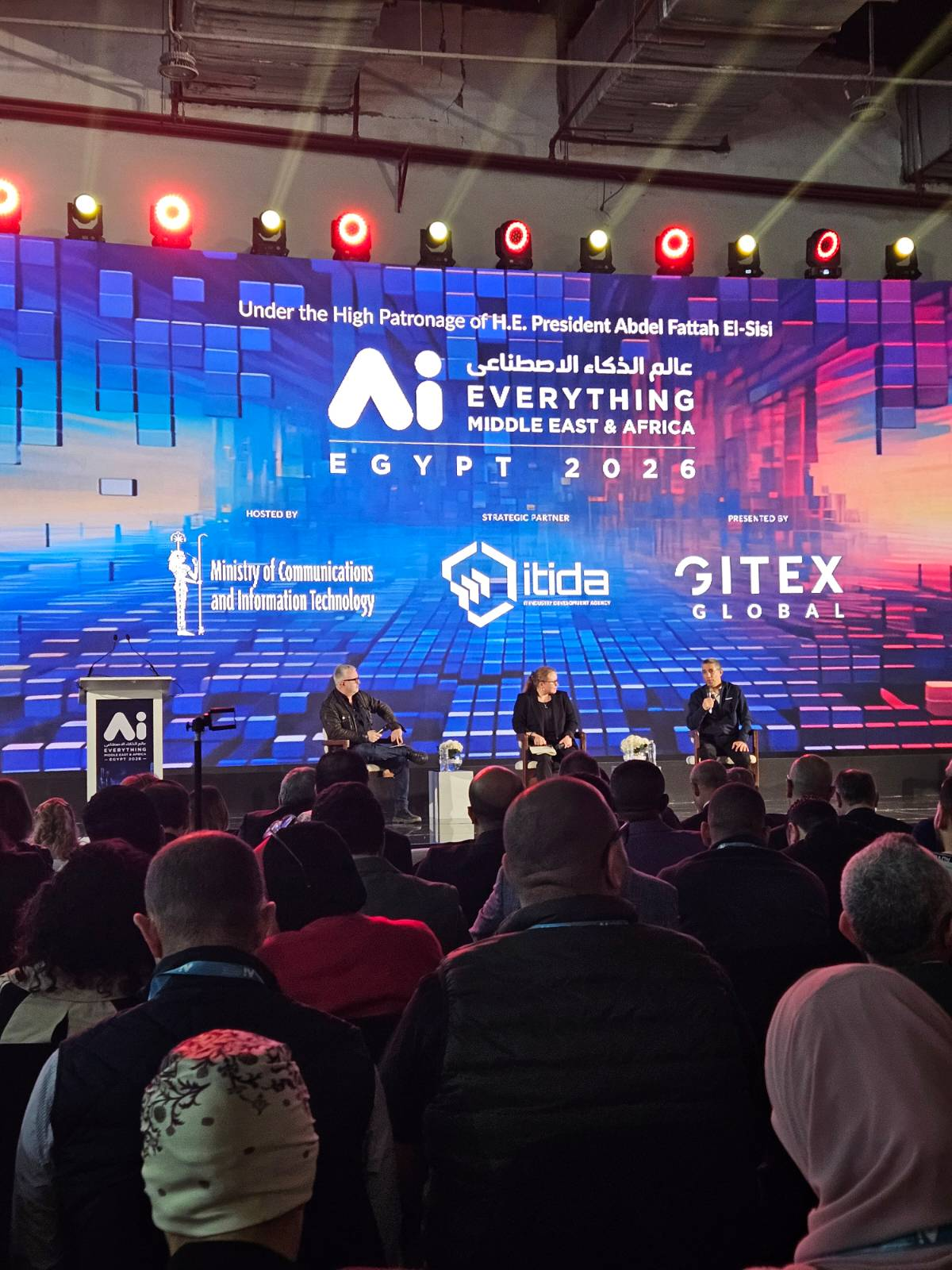
At AI Everything Middle East & Africa 2026, Babak Hodjat, Chief AI Officer at Cognizant, joined global leaders to discuss human-centric AI, open ecosystems, and what it truly takes to deploy agentic systems at enterprise scale. From thought-provoking panels on responsibility and governance to a live workshop building a multi-agent system with the audience, the energy and momentum across the region were unmistakable.
AI Impact Summit India
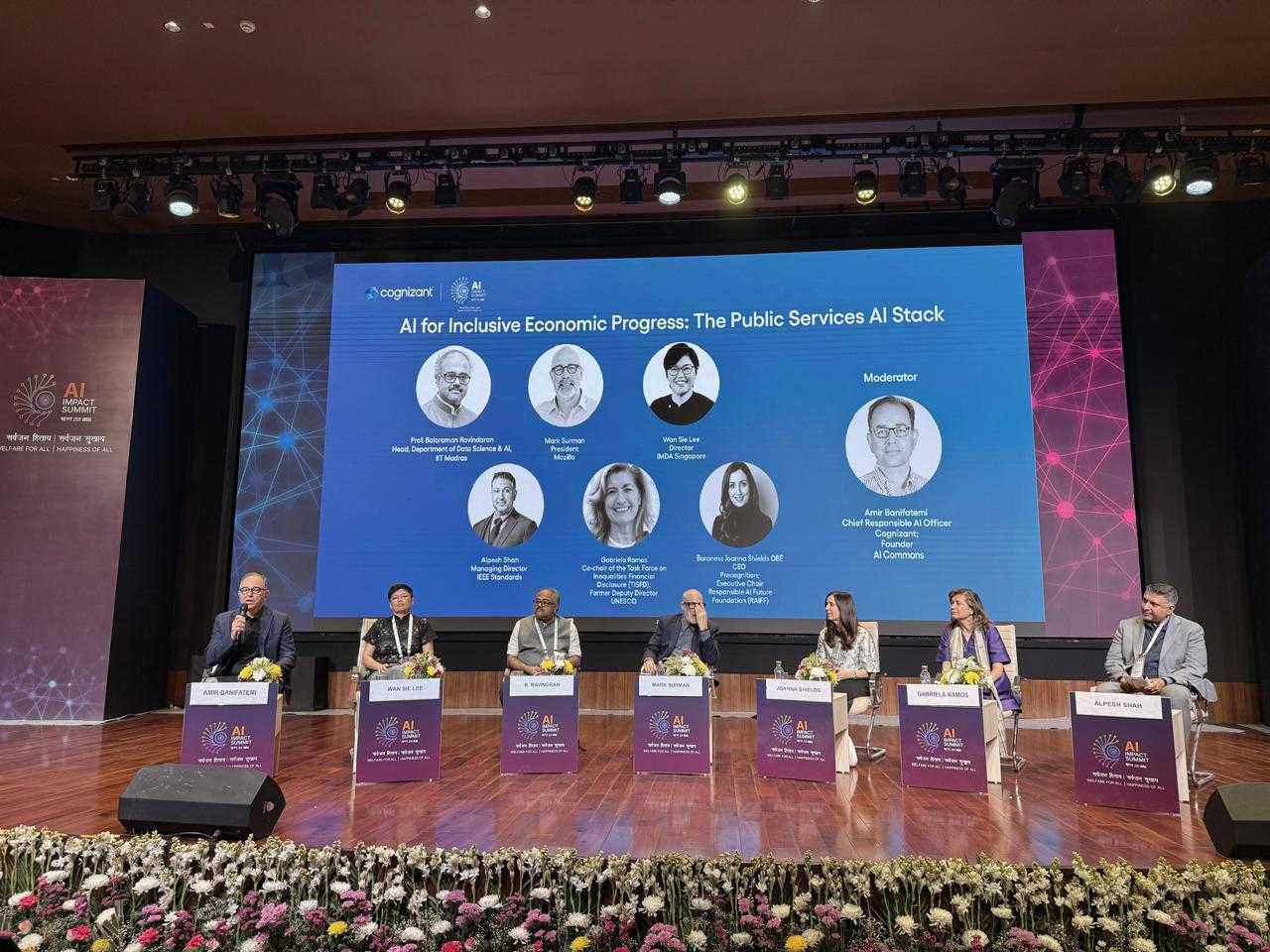
At the India AI Impact Summit 2026, our Chief Responsible AI Officer, Amir Banifatemi, led a panel discussion on “AI for Inclusive Economic Progress: The Public Services AI Stack,” exploring a critical question: how can AI truly advance inclusive economic progress?
As AI capabilities accelerate, the focus must go beyond productivity. Building a Public Services AI Stack requires not just infrastructure and models, but governance, digital public goods, interoperability, and investment in skills and access. Inclusive progress will not happen automatically but rather must be intentionally designed.
Get the latest AI research, insights, and breakthroughs delivered straight to your inbox. Subscribe to our newsletter.

Risto Miikkulainen is VP of AI Research at Cognizant AI Lab and a Professor of Computer Science at the University of Texas at Austin.