

April 14, 2026
Agent-Oriented vs. Centralized Agentic Harnesses in Enterprise AI

Agent-Oriented vs. Centralized Agentic Harnesses in Enterprise AI
How multi-agent systems like neuro-san compare to centralized agentic harnesses and why they’re better suited for enterprise-scale AI.
To agentify the fabric of an enterprise, we need an extensible, scalable, open-source, and trustworthy multi-agent framework. The trend these days is to configure agentic harnesses, like Claude Cowork, give them access to enterprise machines, and let them loose. In this blog post, we dive into why we think this is not a complete solution and why multi-agent systems like neuro-san are the way to go.
Centralized Harnesses vs. Enterprise-Scale Multi-Agent Systems
Systems like Claude Cowork and Perplexity Computer operate at the laptop level, i.e. 1 user and 1 machine only, whereas systems like neuro-san operate at the enterprise level. Harnesses are heavily engineered systems with centralized blackboard planning, communication, and memory systems. They represent an imbalance and over concentration of responsibilities into a single system. Unless we think a single harness will ever be allowed to run an entire business, the best harness will still represent a single domain and would have to be connected to other agentic systems at some level.
Viewing an enterprise from the agent-oriented lens is akin to decomposing various tasks and responsibilities into manageable agent + code modules, and this decomposition reduces errors while promoting reusability through modular encapsulation of responsibilities. Of course, each module can have some or all features of a harness (e.g., planning, memory, sub-agents...).
Another key challenge is context engineering for agentic systems. Context is inherently fluid and distributed, and an extensible system can manage it much more effectively. Agents naturally map to their relevant context sources, reducing the complexity each one has to handle. To put it simply: you don't necessarily need a feature-rich and complex harness for context handling in a multi-agent system.
Security: Default vs Afterthought
From a safety and security perspective, harnesses often require handing control of the contents of your filesystem over to be exported to an LLM Provider. With systems like Claude Cowork, you have to explicitly tell it all the files not to look at. That is, everything is fair game, even the complete inventory of sensitive data files you forgot about the first time you used it.
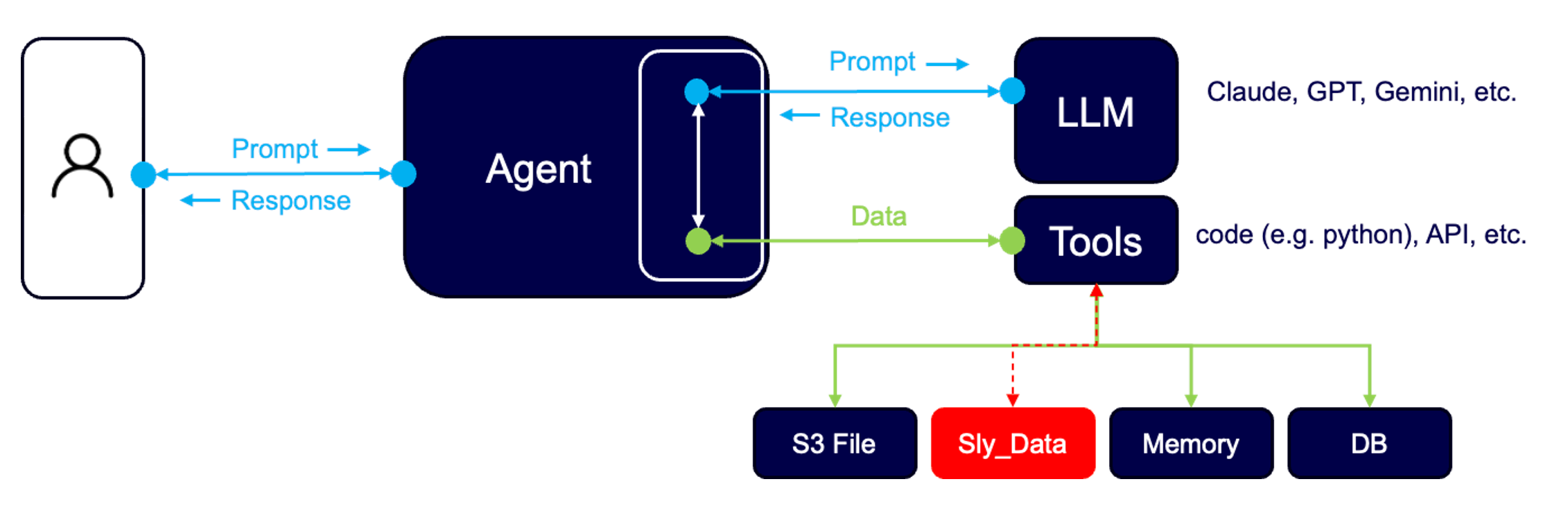
neuro-san takes the opposite approach with a philosophy of Security by Default. Unlike dev-oriented systems like Claude Cowork, neuro-san provides a production-ready setup at scale with security built-in out of the box. It also introduces private data channels (sly_data), allowing fine-grained control over what data flows upstream and downstream in a multi-agent setup.
Scaling, Observability, and Flexibility
Truly multi-agent platforms lend themselves well to organic incremental buildup of a multi-agentic enterprise. With neuro-san, different teams can own and evolve their own agents in parallel without stepping on each other. In contrast, a centralized harness quickly becomes a bottleneck — everyone’s forced to work in a monolithic setup. The vibe-interface and HOCON-based configuration in neuro-san lets subject matter experts (not just developers) define and iterate on agent topologies. This speeds things up and reduces dependency on a single engineering team. Incremental development, testing, and verification/observability are handled much more effectively in modular multi-agentic systems.
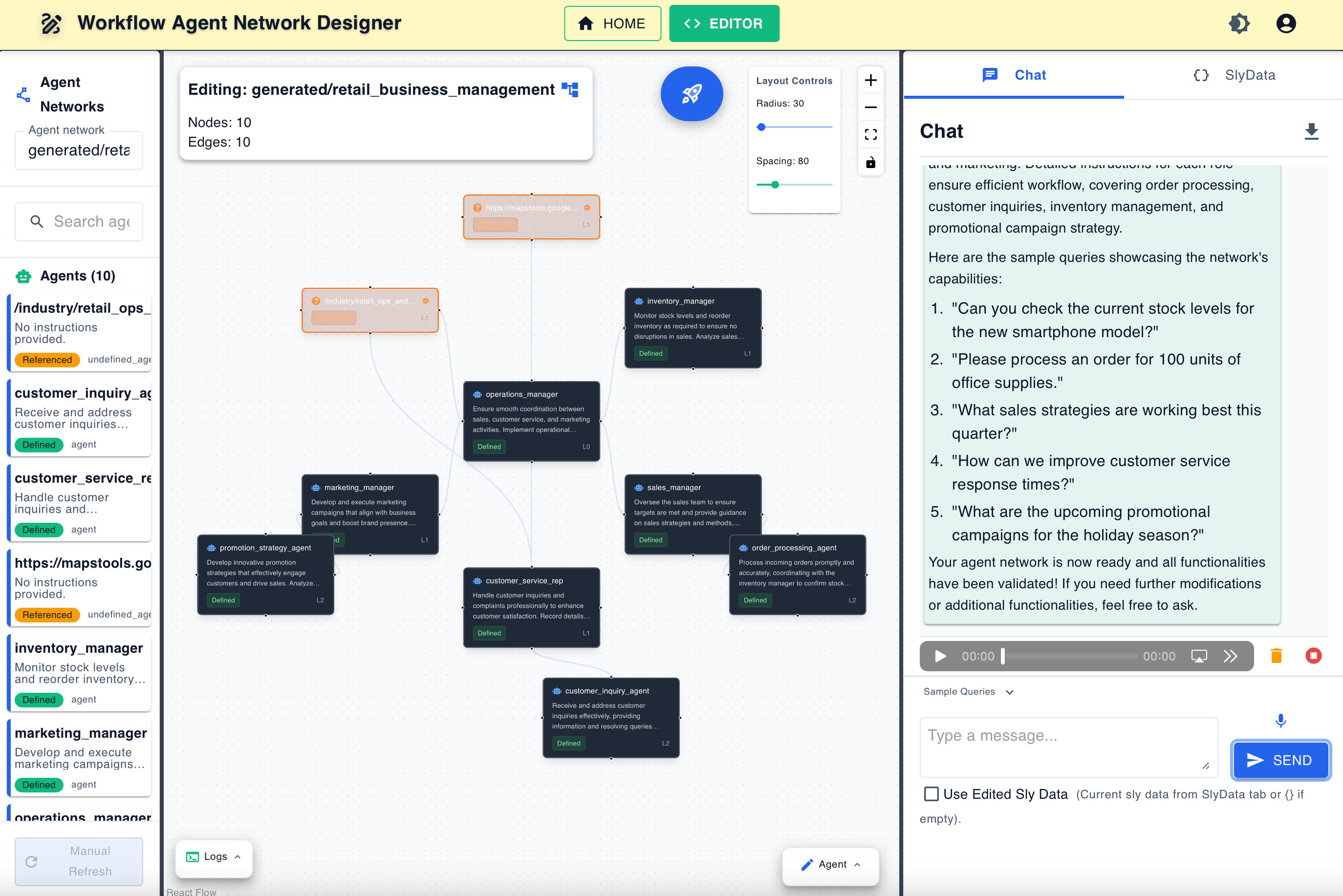
Because each agent is a discrete, well-defined unit with its own harness, you can observe, test, and debug them independently. When something breaks in a monolithic harness, it’s often a black box — hard to isolate where things went wrong. Per-agent log files and the journal system give you clear, per-agent traceability, so you can actually see what happened and fix issues much faster.
neuro-san's automated test harness allows for semantic verification of happy-paths, boundary enforcement, sensitive data handling, escalation behavior, and adversarial scenarios on a multi-agentic sub-system basis. Learn more about the testing framework.
It must also be noted that most harnesses are single-vendor solutions, but the LLM landscape is changing rapidly, open-weight LLMs are crossing the acceptability threshold, and LLMs for most agentic use is being commoditized, so it is ill-advised to lock into a specific commercial vendor. In neuro-san you can mix OpenAI, Anthropic, Gemini, Azure, Bedrock, or even local Ollama models within the same agent network, and even define primary and backup LLMs for the same agent. If something changes (cost spikes, outages, quality drops), you just update the agent’s config and run it through the semantic verification tests — no need to rebuild the system.
Finally, enterprises agentifying the differentiated backbone of their businesses will not want to tie themselves into relying on black-box solutions. The de facto enterprise agentification platform should necessarily be open source.
I encourage you to explore neuro-san and clone, fork, and star the repo.

Babak Hodjat is the Chief AI Officer at Cognizant and former co-founder & CEO of Sentient. He is responsible for the technology behind the world’s largest distributed AI system.